The field guide

A little curiosity.
A whole world of snakes.

Search the collection, explore your state, or follow a familiar name. Watch from a distance and leave identification to an expert when safety is uncertain.

179 species in the collection

Species results

ColubridaeNonvenomous

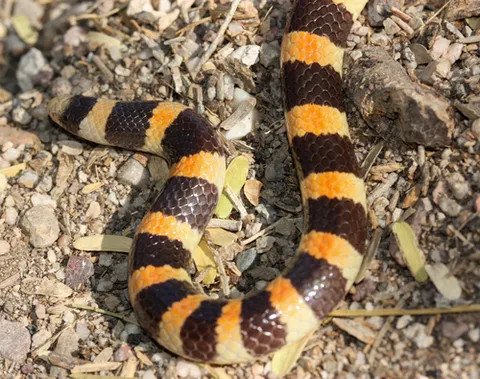
Apalachicola Kingsnake

Lampropeltis meansi

Apalachicola Kingsnake (Lampropeltis meansi) is native to Florida. This nonvenomous constrictor with bold patterning is most often associated with woodland, grassland, farms, rocky slopes, and sheltered surface cover and typically feeds on snakes, lizards, rodents, birds, and eggs.

1 jurisdiction→
NatricidaeNonvenomous

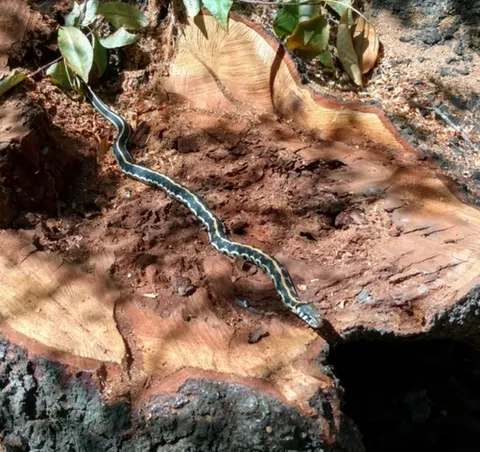
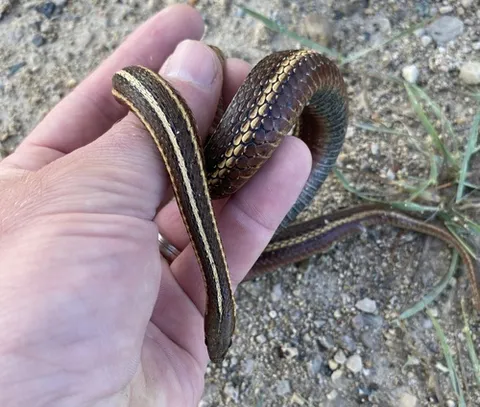
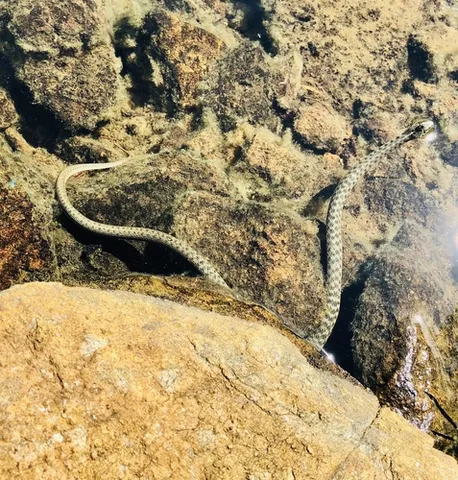
Aquatic Gartersnake

Thamnophis atratus

Aquatic Gartersnake (Thamnophis atratus) is native to California and Oregon. This active natricine snake often associated with water or moist cover is most often associated with wet meadows, stream edges, marshes, woodland, and other moist cover and typically feeds on amphibians, fish, earthworms, slugs, and other small prey.

2 jurisdictions→
ViperidaeVenomous

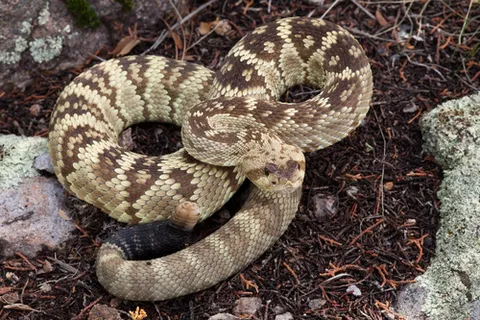
Arizona Black Rattlesnake

Crotalus cerberus

Arizona Black Rattlesnake (Crotalus cerberus) is native to Arizona and New Mexico. This camouflaged pit viper with a keratin rattle is most often associated with woodland, grassland, desert, or rocky country and typically feeds on rodents, birds, lizards, frogs, or other available prey.

2 jurisdictions→
ColubridaeNonvenomous

Arizona Mountain Kingsnake

Lampropeltis pyromelana

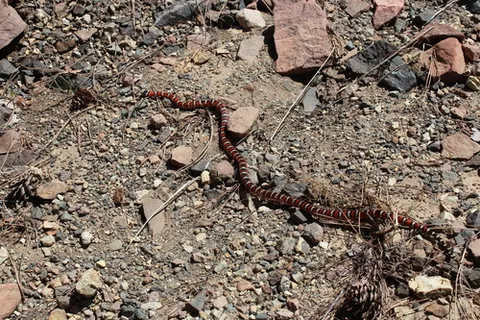
Arizona Mountain Kingsnake (Lampropeltis pyromelana) is native to 4 U.S. jurisdictions, including Arizona, New Mexico, and Nevada. This nonvenomous constrictor with bold patterning is most often associated with woodland, grassland, farms, rocky slopes, and sheltered surface cover and typically feeds on snakes, lizards, rodents, birds, and eggs.

4 jurisdictions→
ColubridaeNonvenomous

Baird's Ratsnake

Pantherophis bairdi

A strong climber with orange-yellow coloring and four dark neck stripes. It is most often associated with rocky canyons and typically feeds on rodents and birds.

1 jurisdiction→
ColubridaeNonvenomous

Baja California Coachwhip

Masticophis fuliginosus

Baja California Coachwhip (Masticophis fuliginosus) is native to California. This nonvenomous native snake is most often associated with prairie, woodland, scrub, fields, or rocky country and typically feeds on lizards, rodents, birds, frogs, eggs, or arthropods.

1 jurisdiction→
ColubridaeNonvenomous

Baja California Ratsnake

Bogertophis rosaliae

Baja California Ratsnake (Bogertophis rosaliae) is native to California. This nonvenomous constrictor and capable climber is most often associated with woodland edges, farms, fields, rocky slopes, and human structures and typically feeds on rodents, birds, and eggs.

1 jurisdiction→
ColubridaeNonvenomous

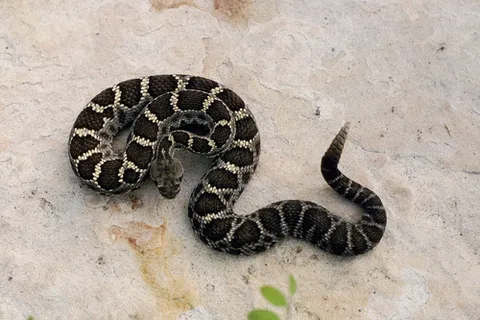
Banded Sandsnake

Sonora cincta

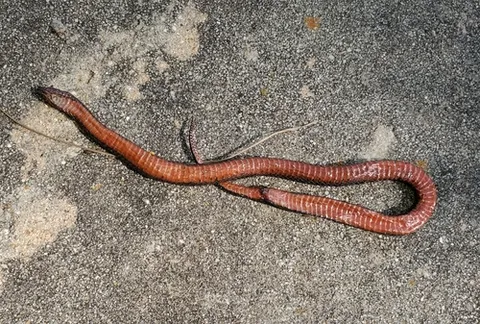
Banded Sandsnake (Sonora cincta) is native to Arizona. This small ground-dwelling snake adapted to life beneath loose soil or surface cover is most often associated with loose desert soil, sandy flats, grassland, and cover beneath rocks or debris and typically feeds on spiders, centipedes, insects, lizards, and other small prey.

1 jurisdiction→
NatricidaeNonvenomous

Black Swampsnake

Seminatrix pygaea

Black Swampsnake (Seminatrix pygaea) is native to 5 U.S. jurisdictions, including Alabama, Florida, and Georgia. This active natricine snake often associated with water or moist cover is most often associated with streams, ponds, marshes, swamps, and vegetated wetland edges and typically feeds on fish, amphibians, crayfish, and other aquatic prey.

5 jurisdictions→
NatricidaeNonvenomous

Black-necked Gartersnake

Thamnophis cyrtopsis

Dark neck patches frame a bright dorsal stripe; it is strongly tied to water. It is most often associated with streams and rocky pools and typically feeds on fish, frogs and tadpoles.

6 jurisdictions→
ViperidaeVenomous

Black-tailed Rattlesnake

Crotalus molossus

Black-tailed Rattlesnake (Crotalus molossus) is native to Arizona, New Mexico, and Texas. This camouflaged pit viper with a keratin rattle is most often associated with woodland, grassland, desert, or rocky country and typically feeds on rodents, birds, lizards, frogs, or other available prey.

3 jurisdictions→
NatricidaeNonvenomous

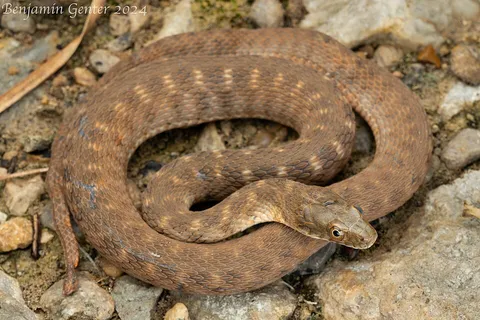
Brazos Watersnake

Nerodia harteri

Found only in Texas and closely tied to fast, rocky stretches of the Brazos. It is most often associated with rocky river channels and typically feeds on small fish.

1 jurisdiction→
ViperidaeVenomous

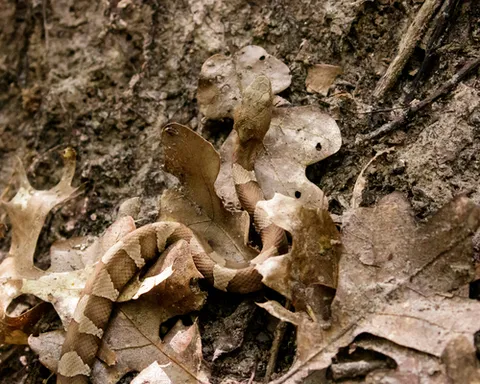
Broad-banded Copperhead

Agkistrodon laticinctus

Broad reddish-brown bands cross a tan body; juveniles have yellow tail tips. It is most often associated with rocky woods and creek bottoms and typically feeds on rodents and amphibians.

3 jurisdictions→
NatricidaeNonvenomous

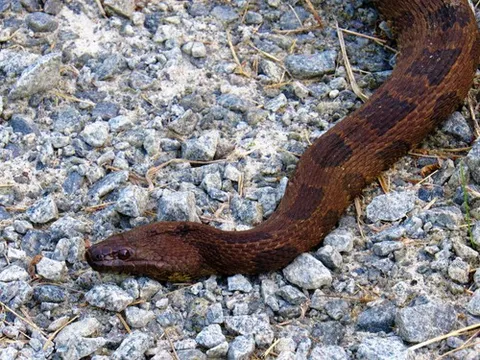
Brown Watersnake

Nerodia taxispilota

Brown Watersnake (Nerodia taxispilota) is native to 6 U.S. jurisdictions, including Alabama, Florida, and Georgia. This active natricine snake often associated with water or moist cover is most often associated with streams, ponds, marshes, swamps, and vegetated wetland edges and typically feeds on fish, amphibians, crayfish, and other aquatic prey.

6 jurisdictions→
NatricidaeNonvenomous

Butler's Gartersnake

Thamnophis butleri

Butler's Gartersnake (Thamnophis butleri) is native to 4 U.S. jurisdictions, including Indiana, Michigan, and Ohio. This active natricine snake often associated with water or moist cover is most often associated with wet meadows, stream edges, marshes, woodland, and other moist cover and typically feeds on amphibians, fish, earthworms, slugs, and other small prey.

4 jurisdictions→
ColubridaeNonvenomous

California Black-headed Snake

Tantilla planiceps

California Black-headed Snake (Tantilla planiceps) is native to California. This small ground-dwelling snake adapted to life beneath loose soil or surface cover is most often associated with loose desert soil, sandy flats, grassland, and cover beneath rocks or debris and typically feeds on spiders, centipedes, insects, lizards, and other small prey.

1 jurisdiction→
ColubridaeNonvenomous

California Kingsnake

Lampropeltis californiae

California Kingsnake (Lampropeltis californiae) is native to 7 U.S. jurisdictions, including Arizona, California, and Colorado. This nonvenomous constrictor with bold patterning is most often associated with woodland, grassland, farms, rocky slopes, and sheltered surface cover and typically feeds on snakes, lizards, rodents, birds, and eggs.

7 jurisdictions→
ColubridaeRear-fanged

California Lyresnake

Trimorphodon lyrophanes

California Lyresnake (Trimorphodon lyrophanes) is native to California. This slender, mostly nocturnal rear-fanged hunter is most often associated with rocky slopes, canyon walls, scrub, woodland, and sheltered crevices and typically feeds on lizards, frogs, small mammals, and other small vertebrates.

1 jurisdiction→
ColubridaeNonvenomous

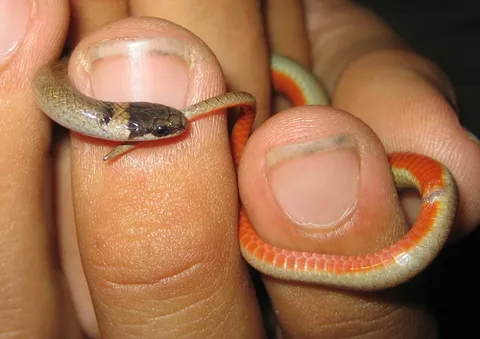
California Mountain Kingsnake

Lampropeltis zonata

California Mountain Kingsnake (Lampropeltis zonata) is native to California, Oregon, and Washington. This nonvenomous constrictor with bold patterning is most often associated with woodland, grassland, farms, rocky slopes, and sheltered surface cover and typically feeds on snakes, lizards, rodents, birds, and eggs.

3 jurisdictions→
ColubridaeNonvenomous

Central American Indigo Snake

Drymarchon melanurus

One of America’s longest native snakes; powerful, nonvenomous, and protected. It is most often associated with thornscrub and ranchland and typically feeds on rodents, reptiles and snakes.

1 jurisdiction→
ColubridaeNonvenomous

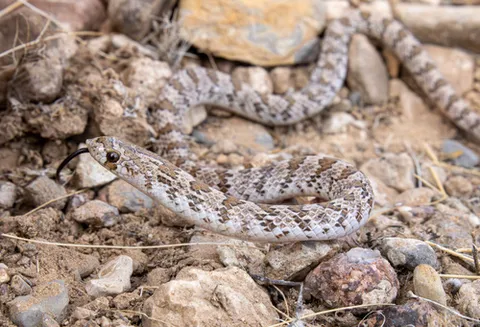
Central Ratsnake

Pantherophis alleghaniensis

Central Ratsnake (Pantherophis alleghaniensis) is native to 13 U.S. jurisdictions, including Alabama, Florida, and Georgia. This nonvenomous constrictor and capable climber is most often associated with woodland edges, farms, fields, rocky slopes, and human structures and typically feeds on rodents, birds, and eggs.

13 jurisdictions→
NatricidaeNonvenomous

Checkered Gartersnake

Thamnophis marcianus

A bold checkerboard pattern and pale back stripe make it recognizable. It is most often associated with wet grassland and canals and typically feeds on frogs, fish and worms.

6 jurisdictions→
ColubridaeNonvenomous

Chihuahuan Black-headed Snake

Tantilla wilcoxi

Chihuahuan Black-headed Snake (Tantilla wilcoxi) is native to Arizona. This small ground-dwelling snake adapted to life beneath loose soil or surface cover is most often associated with loose desert soil, sandy flats, grassland, and cover beneath rocks or debris and typically feeds on spiders, centipedes, insects, lizards, and other small prey.

1 jurisdiction→
ColubridaeNonvenomous

Chihuahuan Hook-nosed Snake

Gyalopion canum

The Chihuahuan Hook-nosed Snake has an upturned snout and dark bars across a pale body. Much of its life is spent beneath the soil in desert scrub and grassland. It commonly emerges around dusk or at night, especially after rain, and eats small arthropods. It is nonvenomous to people.

3 jurisdictions→

Observe from a distance. Never handle a wild snake. Stay safe