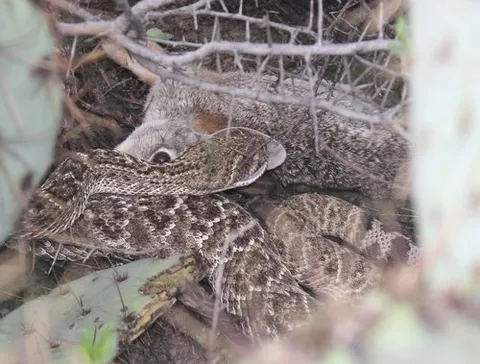
Western Diamond-backed Rattlesnake
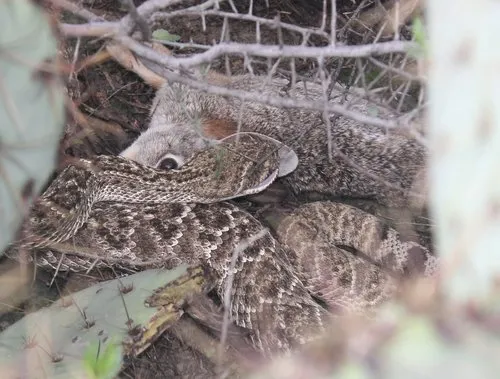
Crotalus atrox
Texas’s most widespread rattlesnake; black-and-white tail bands precede the rattle. It is most often associated with desert, scrub and grassland and typically feeds on rodents and rabbits.
The wild, a little closer
Extraordinary animals. Often misunderstood.
Get to know them, one species at a time.
Observe from a distance. Never handle a wild snake. Stay safe

A world worth noticing
Crotalus atrox
Texas’s most widespread rattlesnake; black-and-white tail bands precede the rattle. It is most often associated with desert, scrub and grassland and typically feeds on rodents and rabbits.
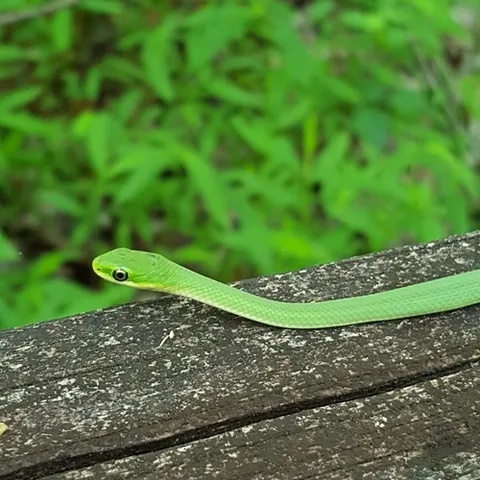
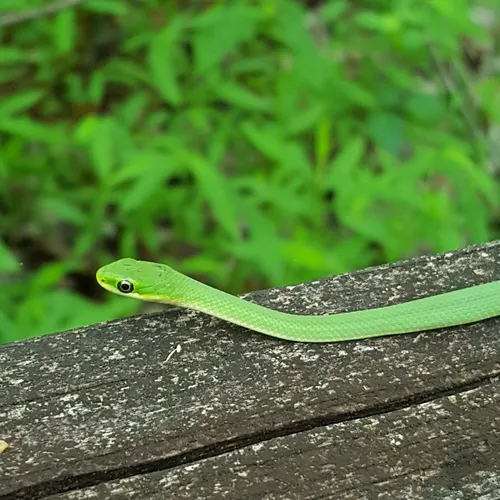
Opheodrys aestivus
A bright green, slender climber that relies on camouflage and rarely bites. It is most often associated with trees and shrubs near water and typically feeds on insects and spiders.
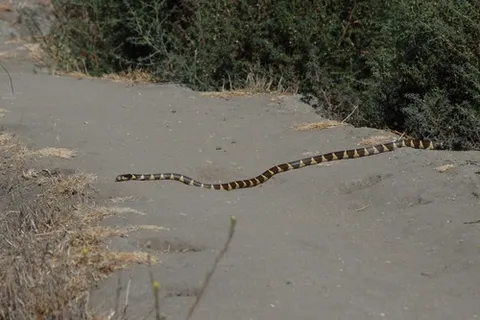
Lampropeltis californiae
California Kingsnake (Lampropeltis californiae) is native to 7 U.S. jurisdictions, including Arizona, California, and Colorado. This nonvenomous constrictor with bold patterning is most often associated with woodland, grassland, farms, rocky slopes, and sheltered surface cover and typically feeds on snakes, lizards, rodents, birds, and eggs.
Start with a place
Follow your curiosity from quiet wetlands to sun-warmed desert trails.
See it. Hear it. Remember it.
Explore snake videos or play a spoken introduction to every species in the collection.
Watch & listen